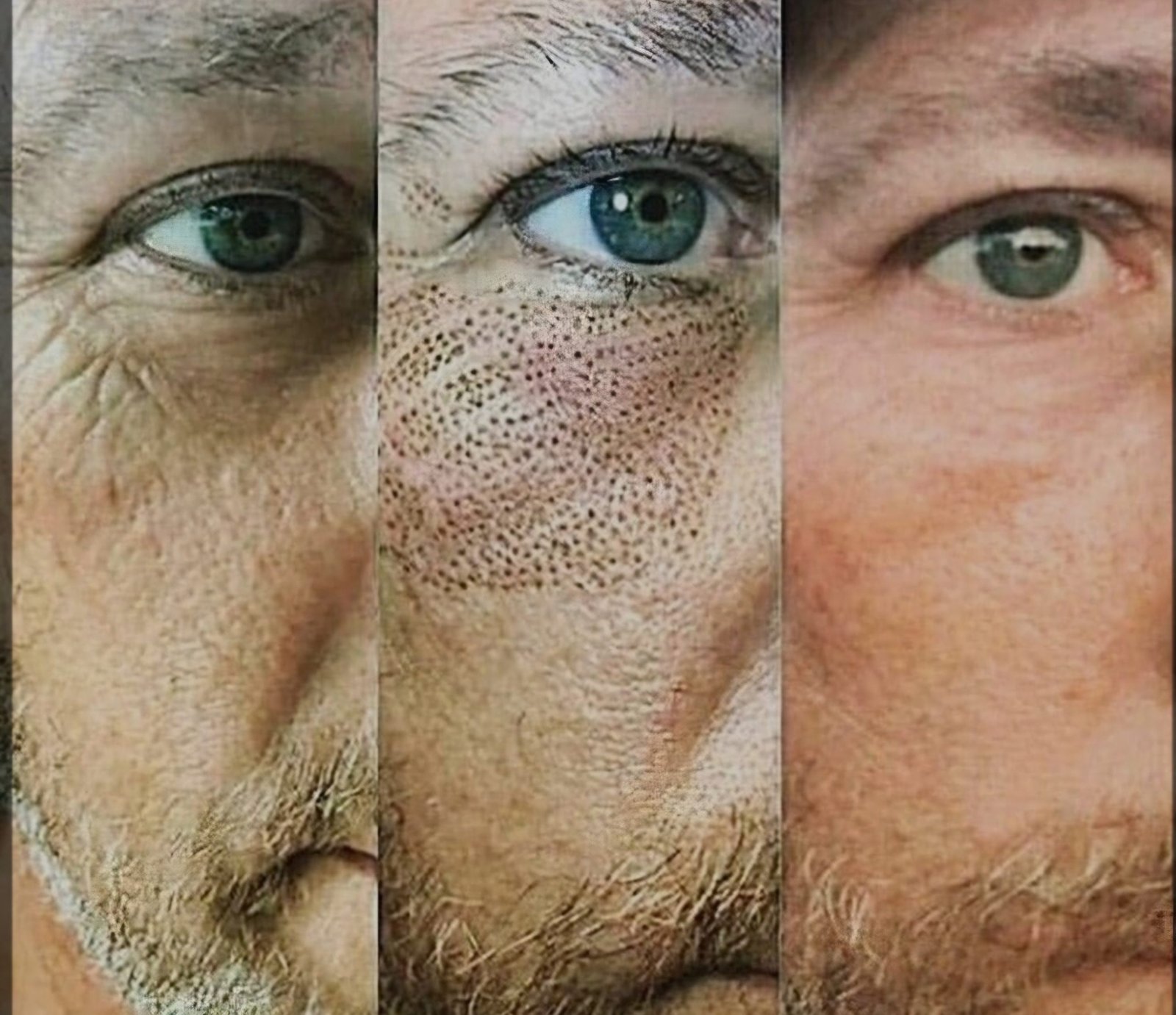
If you’re looking for a non-invasive and effective way to refresh your skin, MC Scalp’s Plasma Pen treatments in Hemel Hempstead are a great choice. Also called fibroblast therapy, this advanced treatment helps tighten loose skin, smooth out fine lines and wrinkles, and improve skin tone and texture.
The Plasma Pen works by boosting your skin’s natural collagen and elastin, helping restore firmness and bounce without the need for surgery or long recovery times. It’s perfect for softening crow’s feet, lifting sagging skin, reducing deep wrinkles, or evening out skin discolouration.
At MC Scalp, you’ll get a treatment designed to bring out your best results. Enjoy smoother, firmer, and more youthful-looking skin with one of the most advanced skin rejuvenation treatments available today.
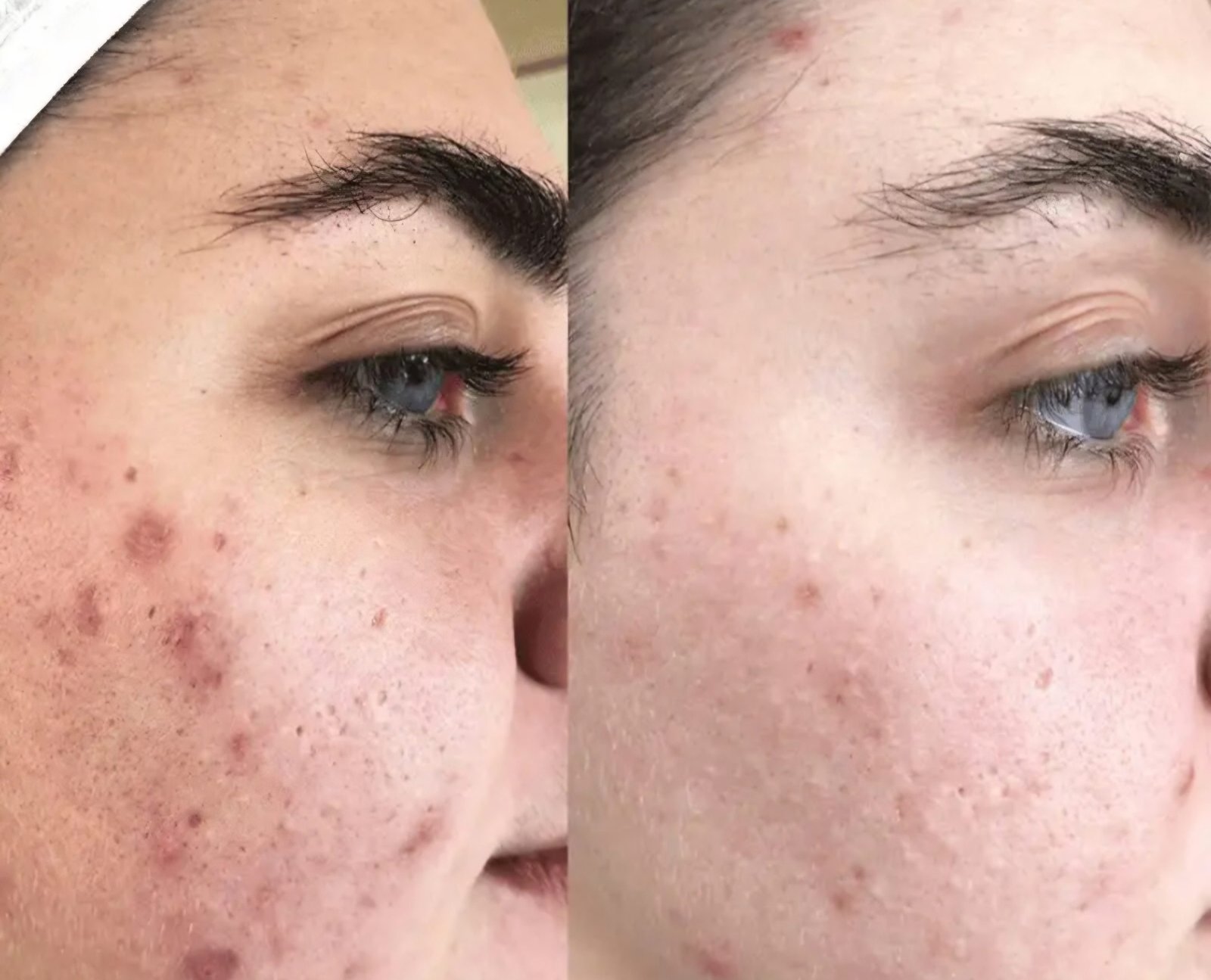
At MC Scalp, we’re committed to delivering expert care and the latest skin treatments to help you look and feel your best. Plasma Pen treatments are fast, effective, and involve minimal downtime, making them a great option for busy people in Hemel Hempstead and beyond. This versatile treatment can tackle everything from stretch marks and sunspots to acne scars and fine lines — all without surgery. With results that can last up to three years, you’ll enjoy smoother, firmer skin and a fresh, confident look. Book a consultation at MC Scalp and discover the impressive benefits of Plasma Pen treatments.
A plasma pen uses heat energy to create tiny controlled points on the skin surface, triggering a tightening response as the area heals. The device does not touch your skin directly. Instead, it hovers just above, producing small carbon dots that contract the tissue. The treated area forms micro-crusts that fall away naturally over the following days. Most clients describe the sensation as tolerable with topical numbing cream applied beforehand. Sessions typically last between 30 and 60 minutes depending on the area being treated.
Results vary widely depending on your age, lifestyle, and skin condition. Most clients notice tightening for one to three years before natural ageing begins to soften the effect. Sun exposure, smoking, and skin care habits all influence longevity. Some people return for a maintenance session after two years, while others see no need. This is not a permanent fix, but it can delay the point at which more invasive procedures are considered. Results are cumulative if sessions are spaced appropriately, though repeat treatments do not guarantee progressively better outcomes.
Plasma pen is most commonly used on the upper eyelid, around the eyes, and along fine lines near the mouth. It can also be applied to the neck, jawline, and forehead, though results in these areas are less predictable. Skin must be loose enough to contract but not so thin that it risks damage. Areas with active acne, rosacea, or broken capillaries are avoided. During consultation, we assess which zones are appropriate for your skin type and goals, and discuss any areas that should be excluded for safety or realistic outcome reasons.
Topical anaesthetic is applied before every session and left on for around 30 minutes. This reduces discomfort significantly, though some heat sensation and tenderness remain, particularly around bony areas like the orbital rim. Pain tolerance varies between clients. Most describe it as manageable rather than painless. If you have concerns about sensitivity or have had difficult experiences with other treatments, mention this during your consultation so we can adjust timing or technique where possible. No injectable anaesthetic is used.
You should wait at least four weeks after Botox and six weeks after dermal filler before having plasma pen treatment in the same area. This allows the injectable to settle and reduces the risk of migration or interference with healing. If filler is very close to the surface, such as under the eyes, plasma pen may not be suitable at all. Always disclose recent aesthetic treatments during your consultation. If you are planning both, it is generally safer to have plasma pen first, allow full healing, then consider injectables afterwards if still needed.
Scarring is uncommon if the treatment is performed correctly and aftercare is followed. Hyperpigmentation is more likely, especially in clients with darker skin tones, those prone to melasma, or anyone who tans easily. Using SPF and avoiding sun exposure during healing reduces this risk significantly. Picking at crusts or applying makeup too early increases the chance of both scarring and pigmentation issues. If you have a history of keloid scars or post-inflammatory pigmentation, this treatment may not be appropriate. A patch test can be discussed if there is uncertainty about how your skin will react.
Makeup should not be applied until all crusts have naturally fallen off, which typically takes five to ten days. Applying products too early can trap bacteria, delay healing, or cause pigmentation problems. Once the skin has fully shed and appears pink but intact, you can resume makeup cautiously. Use clean brushes and avoid heavy or occlusive formulas for the first few days. Mineral-based products are generally safer during early healing. If you have an event or work commitment that requires makeup, factor in at least ten days of downtime when booking your appointment.